How Internal Keyways Are Cut – Broaching vs Keyseating vs EDM
Home > How Internal Keyways Are Cut – Broaching vs Keyseating vs EDM
Posted by Austin B on | Comments Off on How Internal Keyways Are Cut – Broaching vs Keyseating vs EDM
How Internal Keyways Are Cut — Broaching, EDM, and Keyseating Explained
Internal keyways are everywhere—motor shafts, gears, impellers, couplings—but few engineers or buyers know how they’re actually machined.
This guide breaks down the most common internal keyway machining methods: broaching, wire EDM, and keyseating. Whether you’re specifying a new part, replacing a failed component, or exploring your production options—this will help you choose the right approach.
What Is an Internal Keyway, and Why Is It Important?
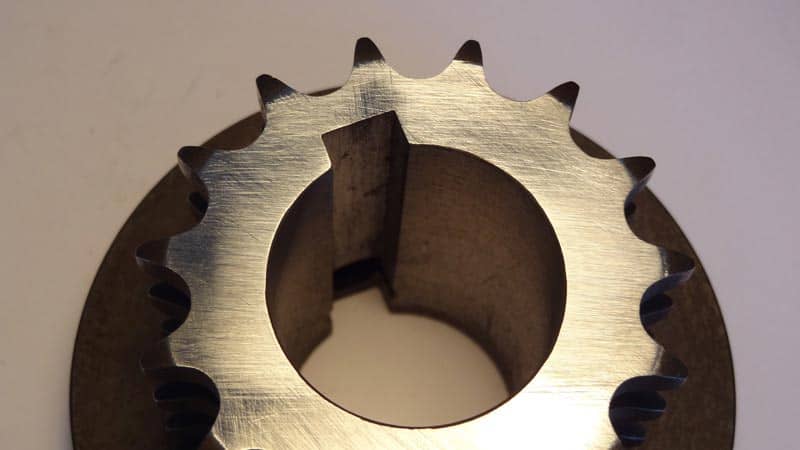
A keyway is a machined slot that allows a part to lock onto a shaft using a metal key. Internal keyways are cut inside bores (like those in gears or pulleys), and they’re critical for:
Torque transmission
Part alignment
Preventing rotational slippage
Bad keyways cause misalignment, vibration, and even catastrophic failure.
3 Main Methods to Cut Internal Keyways
1. Broaching
How it works: A custom broach tool is pushed or pulled through the part, gradually cutting the keyway in a single stroke.
Pros:
Fast on large batches
Accurate for simple geometries
Cons:
Expensive tooling ($1k–$5k+)
Requires a thru-hole
Poor fit for hardened or exotic materials
High setup cost for short runs
2. Wire EDM
How it works: A thin wire cuts the keyway using electrical discharge—like high-precision metal erosion.
Pros:
Very high accuracy
Handles blind holes
Works with hardened alloys
Cons:
Very slow (especially on thicker parts)
Expensive per-part cost
Usually a last resort when other methods fail
3. Keyseating
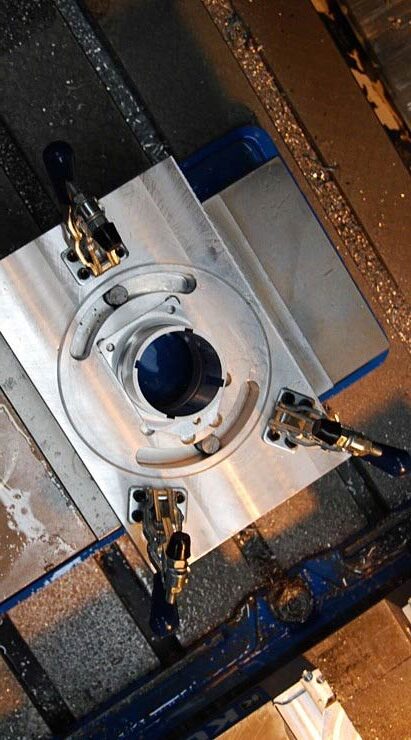
How it works: A vertical cutting tool removes material incrementally, creating a clean internal slot.
Pros:
Great for blind bores
Low tooling cost
Fast and accurate
Ideal for short runs and hard materials
Cons:
Slower than broaching on large volumes
Not as common in general machine shops
✅ Best overall balance for most custom or mid-volume parts
When to Use Keyseating Instead of Broaching
When to Use Keyseating Instead of Broaching
Use keyseating if you’re dealing with:
Blind holes
Hardened or exotic materials
Short production runs
Non-standard keyway sizes
No budget for custom broach tools
Industries We Serve
We provide keyway machining services for:
Aerospace
High-precision keyseating for aerospace parts and components.
Automotive
Machines capable of creating custom keyways for automotive transmission and engine parts.
Construction
Heavy-duty keyseating equipment suitable for demanding environments.
Energy & Utility
Machines for keyway cutting in power generation and utility equipment.
Need a Keyway Cut? We Specialize in It
At Keyseaters.com, keyway cutting is all we do. We machine internal keyways for:
Shafts
Gears
Couplings
Hubs
Impellers
Pulleys
From one-off parts to recurring production—we deliver fast, accurate work with no broaching delays.