
How Internal Keyways Are Machined
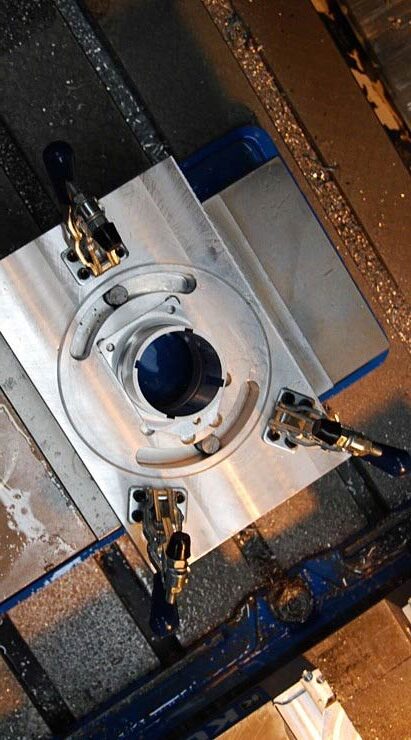
How Internal Keyways Are Machined
Internal keyways play a critical role in torque transmission and component alignment across countless mechanical systems. From motor shafts to gears, pulleys, and couplings, internal keyways must be machined accurately to ensure reliability, longevity, and proper fit.
Understanding how internal keyways are machined, and which method is best for a specific application, is essential for engineers, machinists, and manufacturers alike. Below is a complete technical overview of the most common internal keyway machining methods, their advantages and limitations, and when each should be used.
What Is an Internal Keyway?
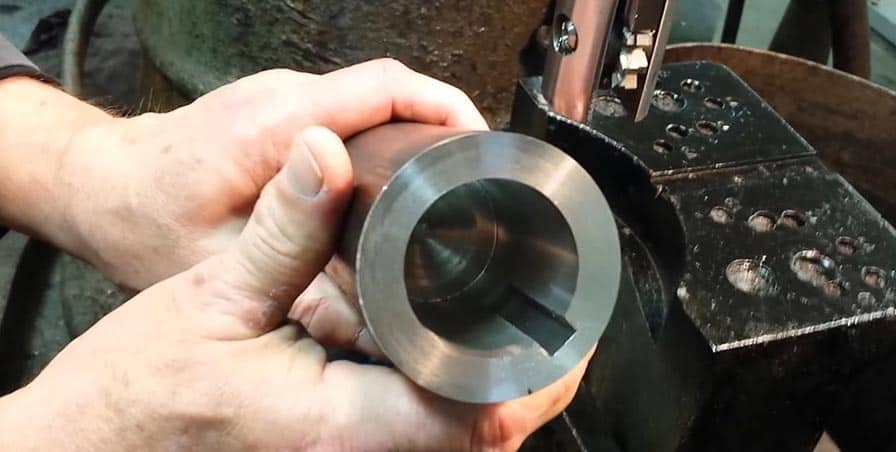
An internal keyway is a longitudinal slot or groove machined inside a bore. It allows a matching key to lock a rotating component—such as a gear or hub—to a shaft, preventing relative motion while transmitting torque.
Unlike external keyways, internal keyways present unique challenges due to:
Limited tool access
Tight tolerances
Blind bore configurations
Material hardness considerations
These factors influence which machining method is most appropriate.
Common Methods for Machining Internal Keyways
There are several established ways to machine internal keyways. Each method differs in tooling, setup complexity, cost, and suitability for specific applications.
Internal Keyway Broaching
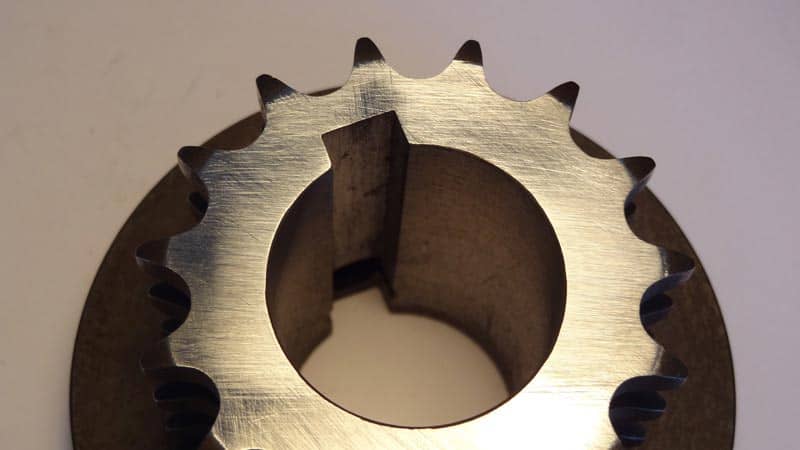
Broaching is one of the most common methods for producing internal keyways, particularly in high-volume production.
How it works:
A broach tool with progressively deeper cutting teeth is pulled or pushed through a pre-machined bore to form the keyway in a single pass.
Advantages:
High repeatability
Excellent surface finish
Efficient for large production runs
Limitations:
Not suitable for blind bores
High tooling cost
Limited flexibility for varying sizes or profiles
Broaching is best suited for through-holes and consistent, high-volume manufacturing environments.
EDM (Electrical Discharge Machining)
EDM removes material using controlled electrical discharges rather than mechanical cutting.
How it works:
A shaped electrode erodes the keyway profile within the bore through spark erosion.
Advantages:
Excellent for hard materials
Can machine complex profiles
Works well for blind bores
Limitations:
Slow material removal rates
Higher operational costs
Heat-affected zones may be present
EDM is typically chosen when traditional cutting methods are impractical due to material hardness or geometry.
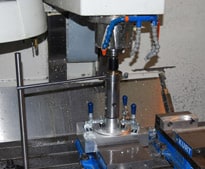
Slotting & Shaping
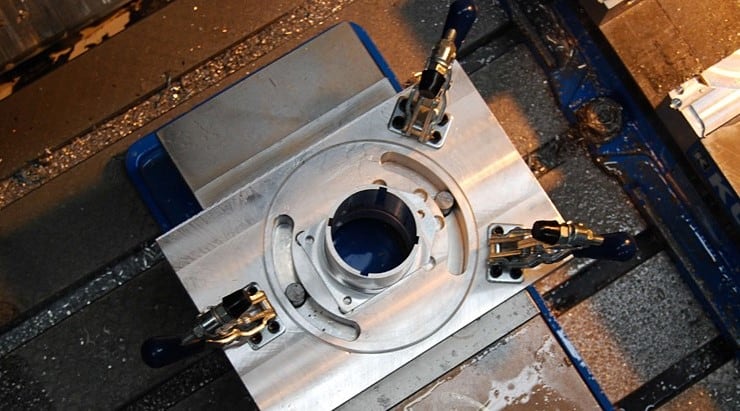
Slotting and shaping machines use a reciprocating cutting motion to remove material from inside the bore.
Advantages:
Simple tooling
Suitable for small batch or repair work
Limitations:
Slower than other methods
Limited precision compared to modern alternatives
Less effective for deep or blind bores
These methods are less common today but still used in select applications.
Keyseat Milling
Keyseat milling is a highly flexible and precise method for machining internal keyways, particularly in challenging geometries.
How it works:
A keyseat cutter removes material incrementally, allowing controlled machining of the keyway without requiring a through-hole.
Advantages:
Ideal for blind bore keyways
Lower tooling cost than broaching
High accuracy and repeatability
Suitable for both CNC and manual setups
Limitations:
Slightly longer cycle times than broaching in high-volume production
Keyseat milling is widely used for custom, low-to-medium volume production, repair work, and applications where flexibility is critical.

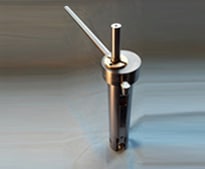
Comparison of Internal Keyway Machining Methods
Machining Method | Blind Bores | Accuracy | Tooling Cost | Flexibility |
|---|---|---|---|---|
Broaching | ❌ No | High | High | Low |
EDM | ✅ Yes | Very High | High | Medium |
Slotting/Shaping | ⚠️ Limited | Medium | Low | Medium |
Keyseat Milling | ✅ Yes | High | Low–Medium | High |
Challenges of Machining Internal Keyways
Machining internal keyways presents several technical challenges that influence method selection:
Blind bore limitations: Many methods require through-holes
Tool access: Internal geometry restricts cutter size and reach
Tolerance requirements: Tight fits demand precise control
Material hardness: Some alloys are difficult to cut mechanically
Selecting the right machining method minimizes these risks while improving efficiency and part quality.
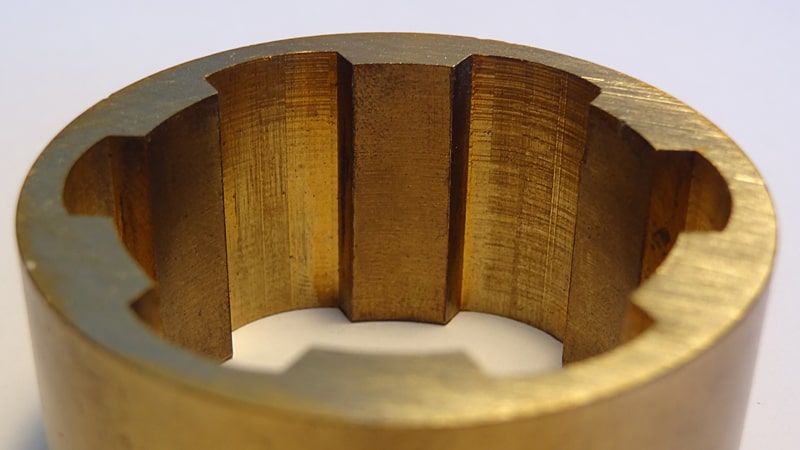
Why Keyseat Milling Is Often the Preferred Solution
For many manufacturers, keyseat milling offers the best balance of precision, flexibility, and cost-effectiveness.
Keyseat milling excels when:
Machining blind bore keyways
Producing small to medium batch sizes
Working with varying keyway dimensions
Reducing tooling investment
Because material is removed incrementally, machinists maintain excellent control over depth, width, and surface finish—making keyseat milling an ideal solution for demanding applications.
Tooling & Accuracy Considerations
Achieving accurate internal keyways depends on:
Proper cutter selection
Stable fixturing
Controlled feeds and speeds
Regular tool maintenance
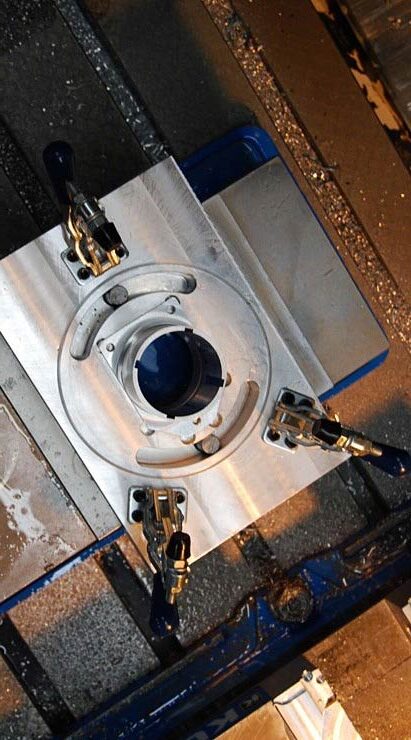
Keyseat milling allows fine adjustments during the machining process, which is especially valuable when working with tight tolerances or complex geometries.
Frequently Asked Questions
How are internal keyways cut?
Internal keyways are cut using methods such as broaching, EDM, slotting, or keyseat milling, depending on bore type, tolerance, and production volume.
Can you machine internal keyways in blind holes?
Yes. EDM and keyseat milling are the most effective methods for machining keyways in blind bores.
What is the most accurate method for internal keyway machining?
EDM offers the highest accuracy for complex shapes, while keyseat milling provides excellent precision with greater flexibility.
When is broaching not suitable?
Broaching is not suitable for blind bores, low-volume production, or applications requiring frequent size changes.
Request a Quote for Keyway Milling
If you need keyway milling or internal keyseating, Keyseaters is ready to support your project.
Request a quote today.