
How Keyseat Milling Works for Internal Keyways
Keyseat milling is a precise and flexible method for machining internal keyways, particularly in applications where blind bores, tight tolerances, or variable production runs are involved. Unlike broaching, which forms the keyway in a single pass, keyseat milling removes material incrementally, allowing greater control over depth, alignment, and finish.
Understanding how keyseat milling works helps engineers and machinists determine when it is the most effective solution for internal keyway machining.
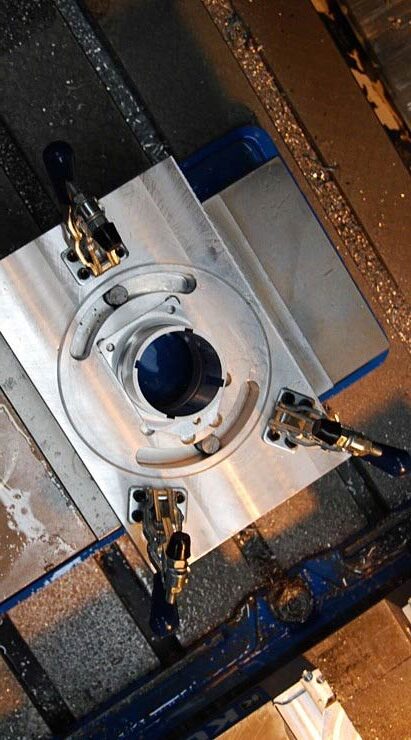
What Is Keyseat Milling?
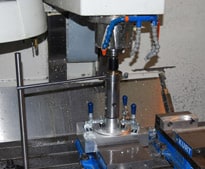
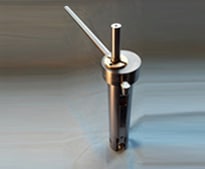
Keyseat milling is a mechanical cutting process that uses a rotating cutter to progressively machine a keyway inside a bore. The cutter removes material in controlled passes until the desired width and depth are achieved.
Because material removal is gradual, machinists can monitor and adjust the process as needed, making keyseat milling especially useful for precision applications and complex part geometries.
For a broader overview of all keyway machining methods, see our guide on how internal keyways are machined.
Step-by-Step: How the Keyseat Milling Process Works
1. Bore Preparation
Before cutting begins, the bore must be machined to final diameter. Concentricity and surface finish are critical to ensure proper alignment of the keyway relative to the shaft.
2. Workpiece Alignment and Fixturing
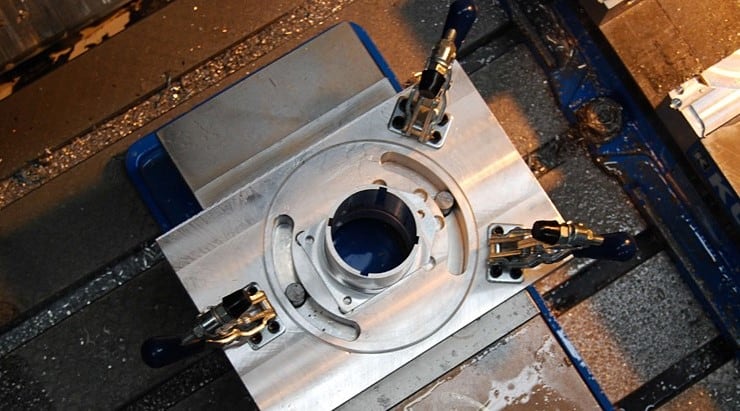
Accurate setup is essential. The part must be secured rigidly to prevent movement or deflection during cutting. Proper alignment ensures the keyway is positioned correctly within the bore.
3. Cutter Selection
The keyseat cutter is selected based on:
Required keyway width
Bore diameter
Material type
Desired surface finish
Choosing the correct cutter geometry ensures consistent dimensional accuracy and reduces tool wear.
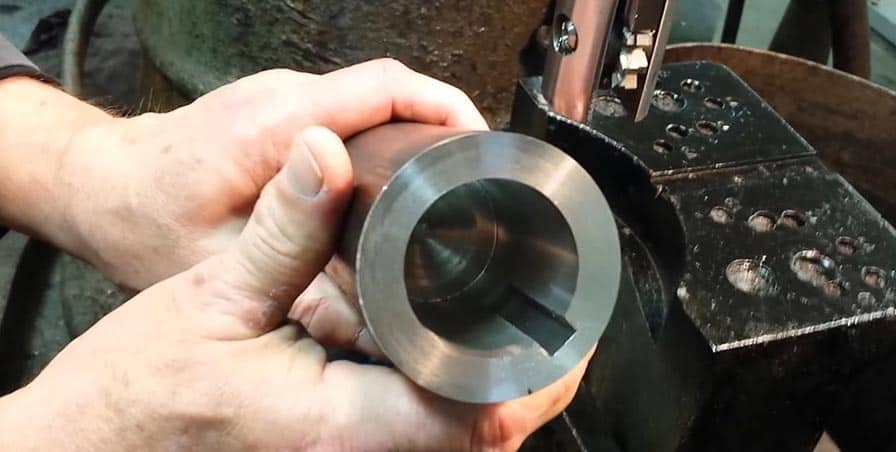
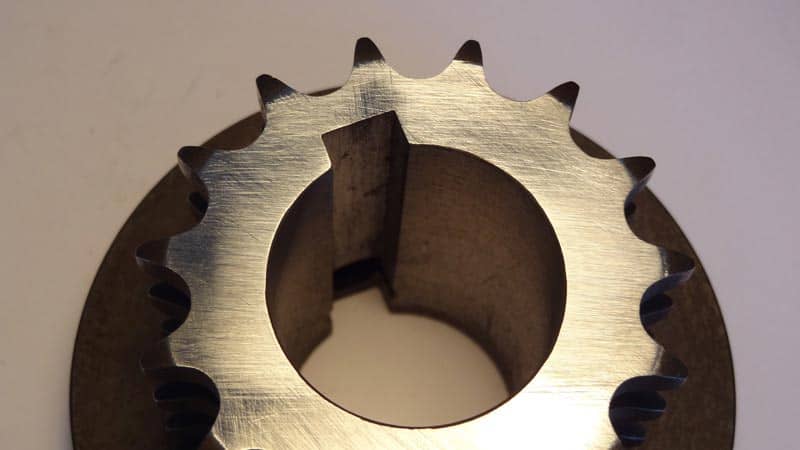
4. Incremental Material Removal
Unlike broaching, which completes the keyway in a single pass, keyseat milling removes material gradually. The cutter advances in controlled increments, cutting deeper with each pass until final depth is reached.
This incremental approach allows:
Fine-tuning of depth and width
Improved control in tight tolerance applications
Reduced risk of tool breakage
5. Depth Verification and Finishing
Once the keyway reaches the specified depth, final inspection ensures:
Correct width
Proper bottom radius (if required)
Smooth surface finish
Accurate fit with the mating key
Because the process is controlled step-by-step, adjustments can be made before final completion if necessary.
Keyseat Milling for Blind Bore Keyways
One of the primary advantages of keyseat milling is its ability to machine internal keyways in blind holes.
Blind bores prevent tools from passing completely through the part, which eliminates broaching as an option in most cases. Keyseat milling overcomes this limitation because the cutter does not require exit clearance.
This makes it particularly effective for:
Motor shafts
Hubs
Couplings
Custom mechanical components
For blind bore applications, keyseat milling often provides the best balance of control and efficiency.
Accuracy and Tolerance Control
Keyseat milling provides high dimensional accuracy due to its controlled cutting process.
Advantages include:
Adjustable cutting depth
Consistent keyway width
Reduced cutting forces compared to broaching
Controlled chip evacuation
Because the process allows for incremental adjustments, machinists can maintain tight tolerances even in complex geometries.
Advantages of Keyseat Milling Compared to Other Methods
Compared to broaching and EDM, keyseat milling offers several practical benefits:
Lower initial tooling investment than broaching
Greater flexibility when keyway dimensions change
Faster setup for short production runs
Suitable for both CNC and manual machines
No heat-affected zone, unlike EDM
While broaching may be faster for very high-volume production, keyseat milling often provides superior adaptability for modern manufacturing environments.
For a full comparison of all three methods, see our breakdown of keyseat milling vs broaching vs EDM.

When to Choose Keyseat Milling
Keyseat milling is often the preferred choice when:
Machining blind bore keyways
Producing small to medium batch sizes
Adjusting keyway dimensions frequently
Seeking a balance between precision and cost
In applications where flexibility and accuracy are critical, keyseat milling delivers consistent and reliable results.
Final Thoughts
Understanding how keyseat milling works allows manufacturers to choose the most efficient and cost-effective internal keyway machining method for their application. Its controlled cutting process, blind bore capability, and adaptability make it a powerful solution across a wide range of industries.
To explore the broader machining landscape, review our guide on how internal keyways are machined, or compare methods directly in keyseat milling vs broaching vs EDM.