Keyway vs Keyseat: What’s the Difference in Machining?
Home > Keyway vs Keyseat: What’s the Difference in Machining?
Posted by Austin B on | Comments Off on Keyway vs Keyseat: What’s the Difference in Machining?
Keyway vs Keyseat: What’s the Difference?
In mechanical design and machining, the terms keyway and keyseat are often used interchangeably. While they are closely related, they refer to different features that work together to transmit torque between rotating components.
Understanding the difference between a keyway and a keyseat helps engineers, machinists, and manufacturers communicate clearly about part design and machining requirements.
What Is a Keyway?
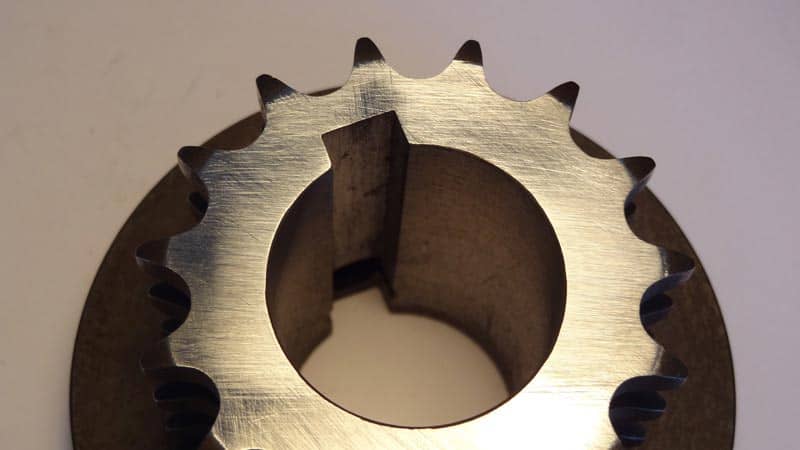
A keyway is a slot or groove machined into a mechanical component that allows a key to fit between two mating parts. The key prevents rotational movement between the shaft and the connected component, ensuring torque can be transmitted effectively.
Keyways can be found in many mechanical assemblies, including:
Gears
Pulleys
Hubs
Couplings
Sprockets
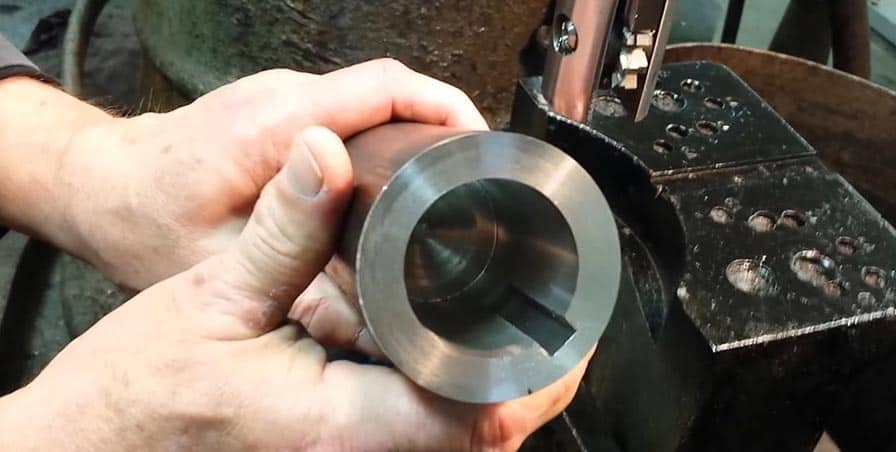
A keyway is typically machined into either the shaft or the bore of a component.
A keyseat is the specific slot machined into the shaft that holds the key in place. The keyseat is designed to fit one half of the key, while the mating keyway in the hub or component holds the other half.
In simple terms:
Keyseat → slot in the shaft
Keyway → slot in the hub or bore
Together, these two features allow the key to lock both components together.
How Keyways and Keyseats Work Together
When assembled, the key fits partly into the shaft keyseat and partly into the hub keyway.
This configuration allows torque to be transferred from the shaft to the connected component without slipping.
The system works by:
The shaft rotates.
The key locks into the shaft keyseat.
The key engages the hub keyway.
Torque is transmitted through the key.
This simple mechanical interface is widely used because it is reliable, easy to manufacture, and allows components to be assembled or removed when necessary.
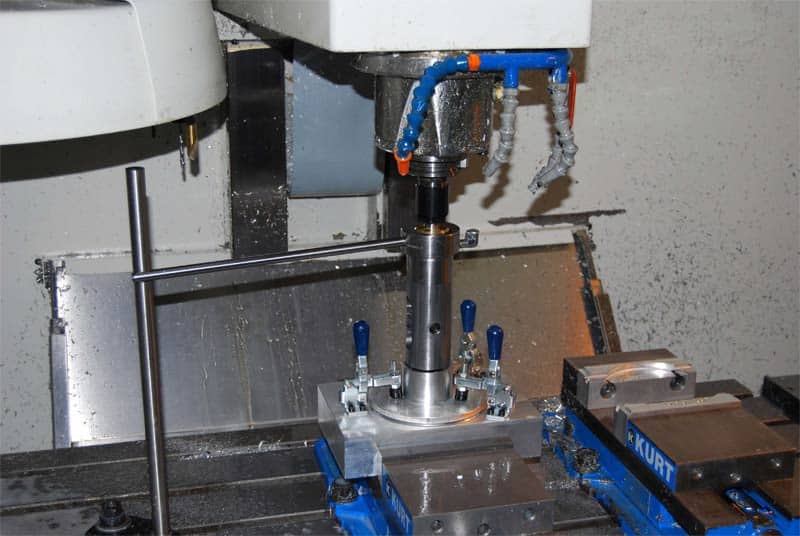
Keyseats on shafts are usually machined using milling or slotting operations.
A rotating cutter removes material from the shaft surface to create the slot that holds the key. Because the shaft is exposed, machining the keyseat is generally simpler than machining internal keyways inside a bore.
Maintaining accurate depth and width is essential to ensure proper key fit and torque transmission.
Why the Difference Matters
Understanding the difference between keyways and keyseats helps avoid confusion when designing or manufacturing mechanical components.
Clear terminology ensures that engineers, machinists, and manufacturers correctly interpret design drawings and machining instructions.
Using the correct terms also helps ensure that the proper machining processes are selected for each component.
Keyways and keyseats are widely used in power transmission systems where torque must be transferred reliably between rotating components.
Common applications include:
Industrial gear systems
Electric motors
Pumps and compressors
Conveyor systems
Heavy machinery
Because these systems operate under high loads, maintaining accurate keyway and keyseat dimensions is critical for long-term reliability.
Final Thoughts
While the terms keyway and keyseat are often used interchangeably, they describe different features that work together to lock rotating components and transmit torque.
Understanding the distinction helps engineers and machinists communicate more effectively and ensures that parts are manufactured correctly.
For a deeper look at the machining processes used to produce internal keyways, review our guide on how internal keyways are machined.